






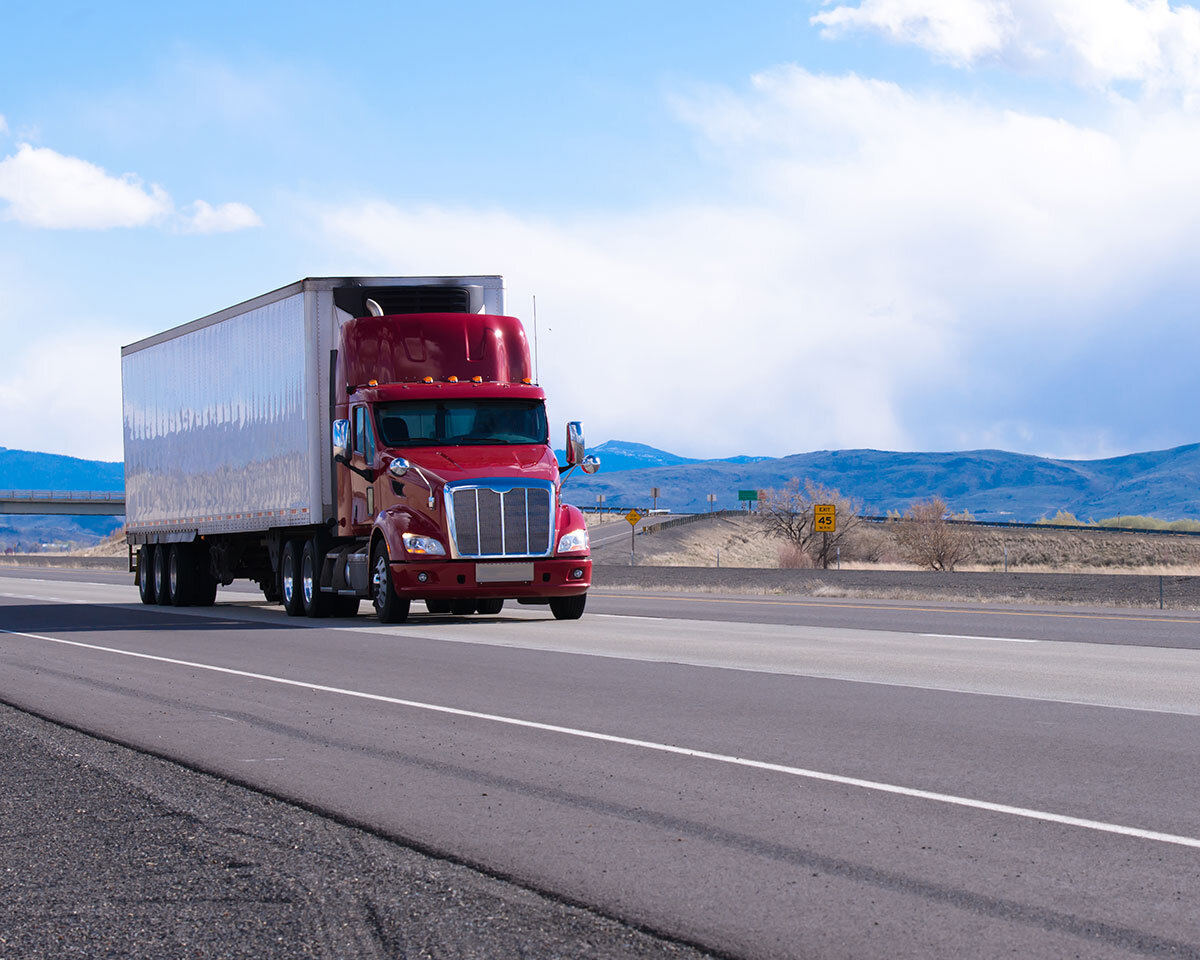
Sealink connects customers with a national network of qualified carriers for full-truckload, less-than-truckload, drayage and specialized inland moves. Routing, pricing and market conditions are reviewed together to deliver dependable service, competitive options and shipment visibility from pickup to delivery.
Full-truckload
Less-than-truckload
Port and rail connectivity
Shipment visibility
WHAT WE OFFER
-
FTL & LTL
Flexible capacity for full or partial truckloads with routing suited to service level, cost and cargo requirements.

-
Port & Rail Drayage
Container pickup and delivery connecting marine terminals, rail ramps, warehouses and customer facilities.
-
Specialized Equipment
Flatbed, reefer, oversized, heavy-haul and hazmat options arranged with qualified carriers.
-
Expedited & Local Delivery
Priority, time-critical, local pickup and final-mile solutions with milestone coordination.

HOW IT WORKS
A coordinated process keeps responsibilities, milestones and next steps clear from planning through completion.
Share the Load Details
Provide pickup and delivery locations, equipment, weight, timing and commodity requirements.
Match the Right Carrier
We evaluate capacity, lane performance, service requirements and market pricing.
Dispatch & Monitor
Coordinate appointments, pickup, in-transit updates and exception management.
Confirm Delivery
Complete final delivery, collect proof of delivery and close shipment documentation.
WHY CHOOSE OUR
GROUND TRANSPORT

Vetted Carrier Network
Access qualified carriers across truckload, LTL, drayage and specialized modes.

Lane-Based Planning
Carrier choice reflects route, equipment, capacity, pricing and market conditions.

Connected Visibility
Shipment updates and delivery documentation keep teams informed throughout the move.
FAQs
1. What trucking modes does Sealink support?
Services include FTL, LTL, drayage, flatbed, reefer, expedited, oversized, heavy-haul, hazmat and local delivery.
2. Can you move containers from ports and rail ramps?
Yes. Drayage connects ports and rail ramps with warehouses, distribution centers and customer facilities.
3. Do you arrange temperature-controlled equipment?
Yes. Reefer equipment can be arranged based on temperature, commodity and route requirements.
4. How are trucking shipments monitored?
The operations team coordinates carrier updates, appointments, exceptions and proof of delivery; tracking availability depends on the selected carrier.
